Occupational

Our Hospital Heroes Need Help! – Ergonomic Improvements That Keep Nurses Saving Lives
Repetitive, overexertion injuries are the main driver of nursing staff injuries. To prevent these ergonomic related injuries, a simple approach can yield great results. Read about some immediate actions you can employ here! Read more

Stopping Health Care Workers from Becoming Patients: 3 Ergonomic Injury Risk Prevention Strategies
Let’s just say statistics show that it is more hazardous to work in a hospital than to build one. Injury rates for direct care workers are some of the highest in the country. In 2016, the injury rate per 10,000 workers was 337 for nursing assistants and 144 injuries among personal care aides. Read more
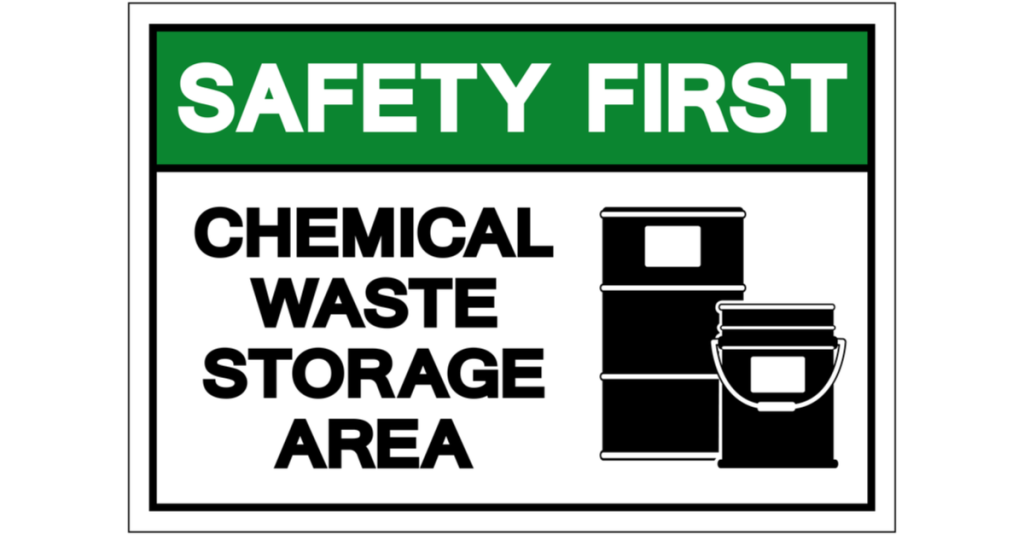
5 Keys to Ensure Employee Safety When Storing Hazardous Materials
The best strategy for ensuring employees are safe around hazardous materials is to be proactive in the management of these materials. Learn how to do just that here. Read more
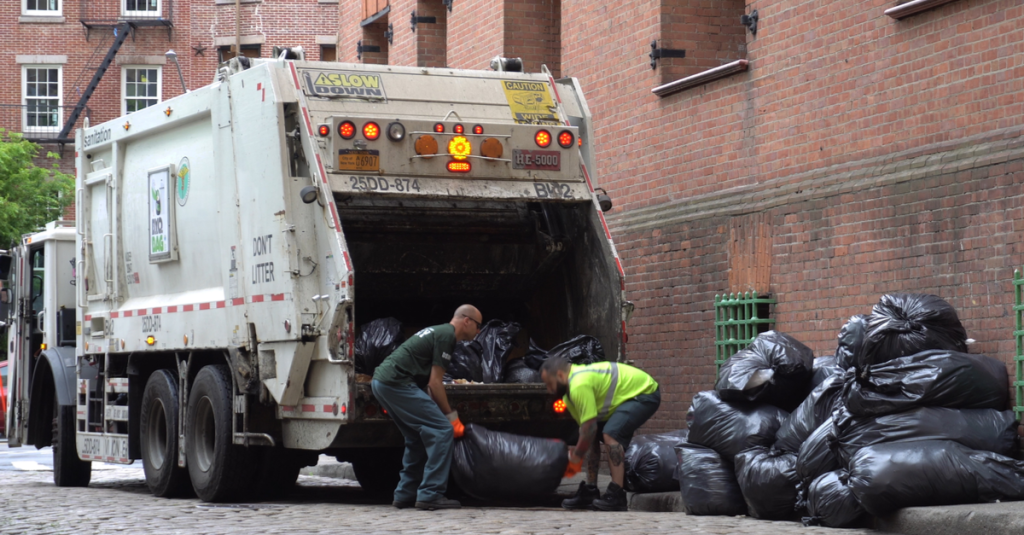
Taking Out the Trash – 3 Ways to Keep Waste Management Workers Healthy
Common health problems that arise in the Waste Management industry and the steps you can take to prevent injury. Read more

5 Ergonomic Best Practices for Emergency First Responders
For paramedics and emergency medical technicians (EMT) injuries can be an all too common occurrence and the statistics show why. Find out the best ergonomic practices for Emergency First Responders here. Read more

5 Common Safety Hazards Present in Warehouse Operations
Tons of safety hazards are present in modern day warehouse operations. Find out the five most common safety hazards in the warehouse industry and solutions to those problems here. Read more
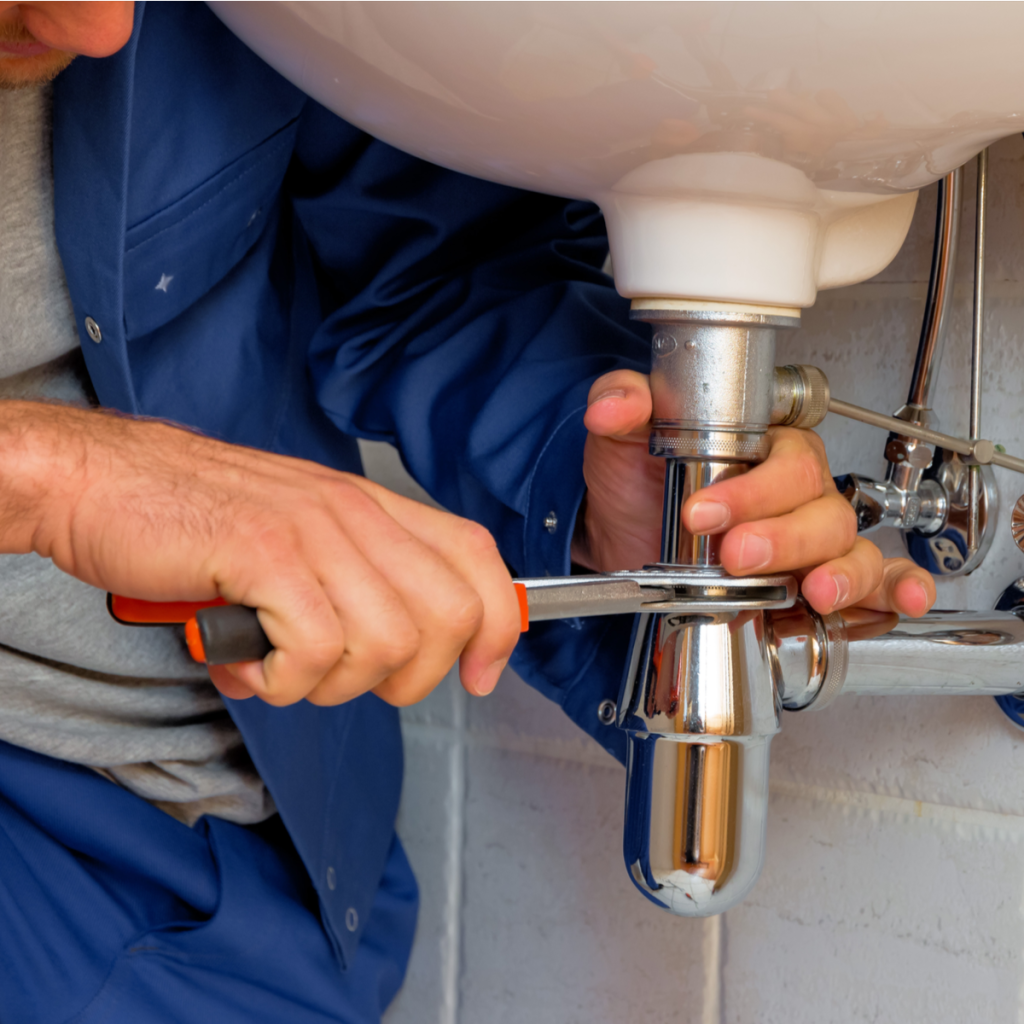
Musculoskeletal Conditions Slowing Down the Trade Industry
Musculoskeletal conditions can develop in the retail and trade industry due to the repetitive tasks required. Find out how to prevent these conditions in the retail industry here. Read more

Planting the Seeds of Safety in the Agriculture Industry
The industry that helped shape our nation is also ripe with safety hazards that have made it a consistently dangerous one in which to work. Read more
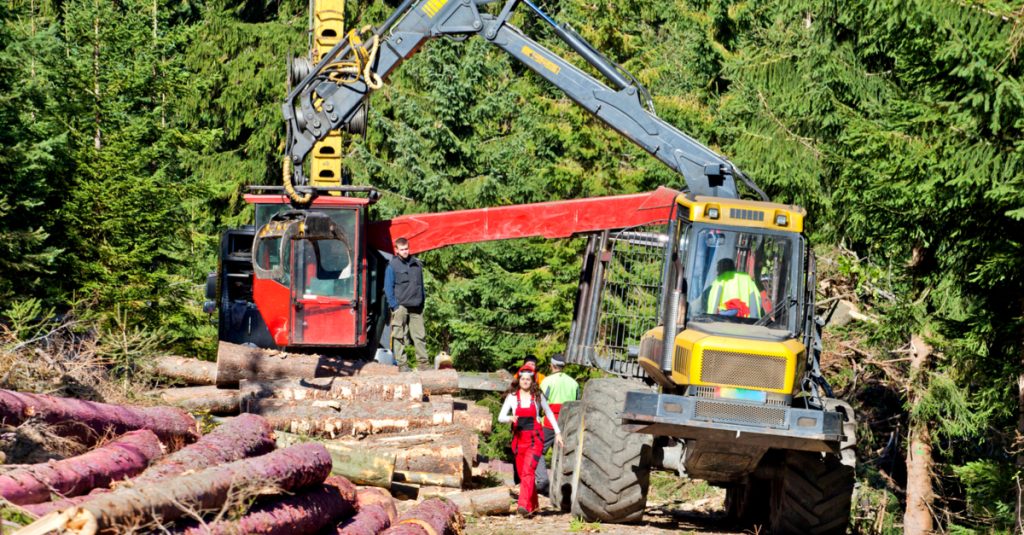
Injury Prevention Within the Logging Industry
Even though loggers today have the benefit of increased safety standards, safer equipment, and the use of technologically-advanced machinery, logging hazards are still prevalent. Learn to prevent logging injuries here! Read more
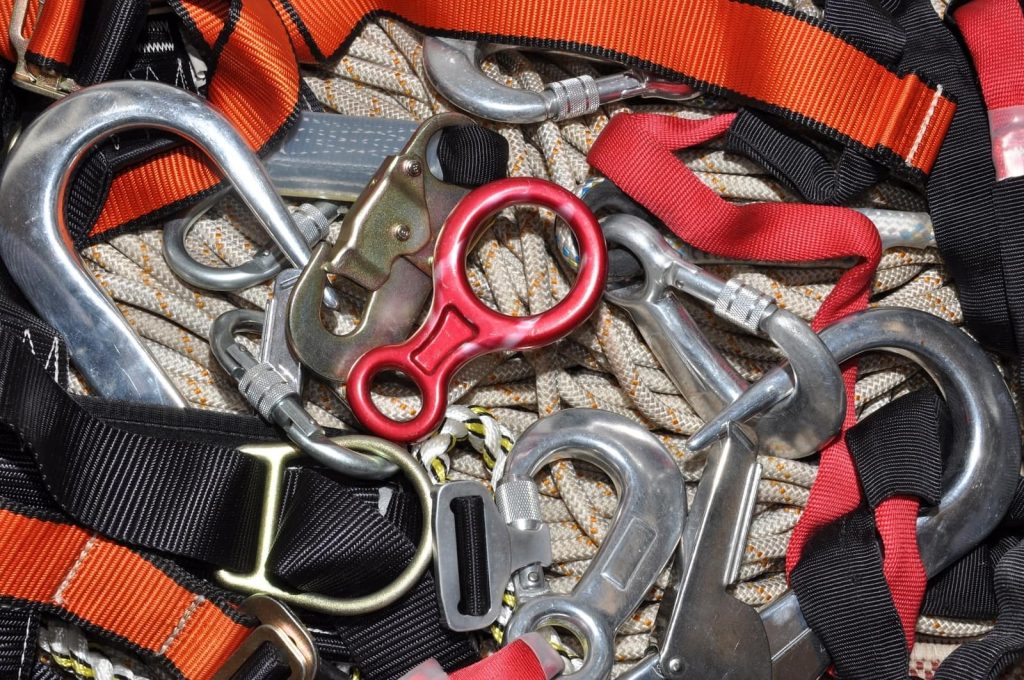
Safety Tips For Roofers
If your job involves any kind of roofing work, safety is key. It’s never a good idea to skip safety practices, even if it means taking a little more time to get the job done. Read more