Industrial Athletic Trainers vs. Traditional Safety Programs
Summary: Traditional safety programs built purely for OSHA compliance often fall short of meaningfully reducing injury rates because they focus on minimum standards rather than ongoing, real-world support. Industrial athletic trainers—certified athletic trainers (ATCs) who work directly on-site—address the physical demands of manual labor in real time, helping companies lower injury rates, boost morale, and cut long-term costs.
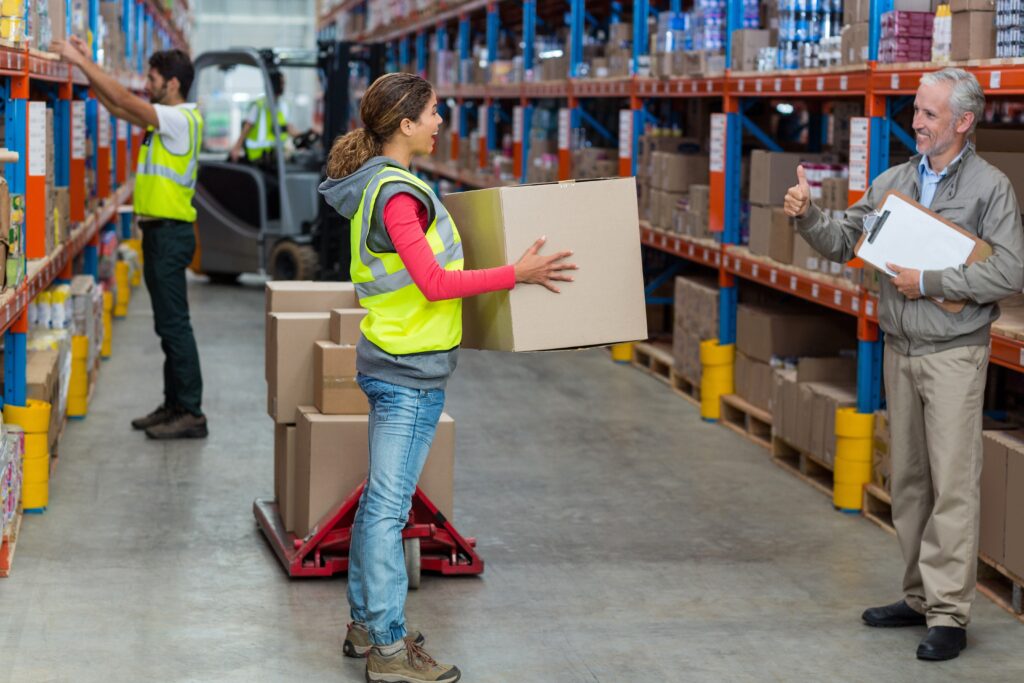
Workplace safety isn’t optional. OSHA and other regulators have set requirements that every employer with manual laborers must follow, and for good reason: warehouses, logistics hubs, and construction sites carry real physical risk. Companies hire safety officers, run training sessions, and document every near-miss to stay compliant.
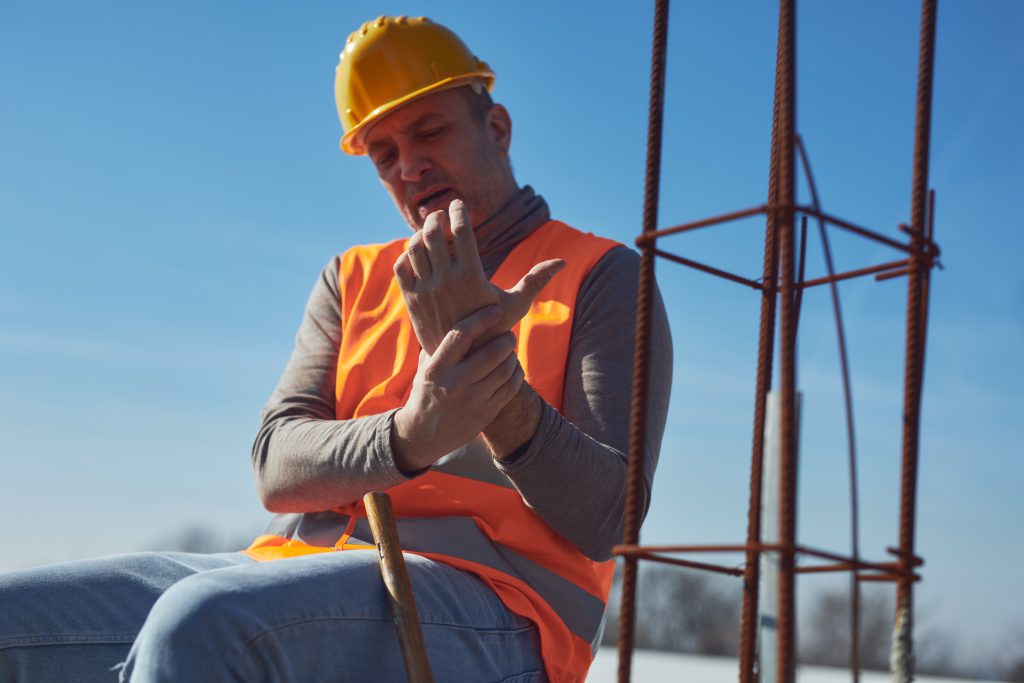
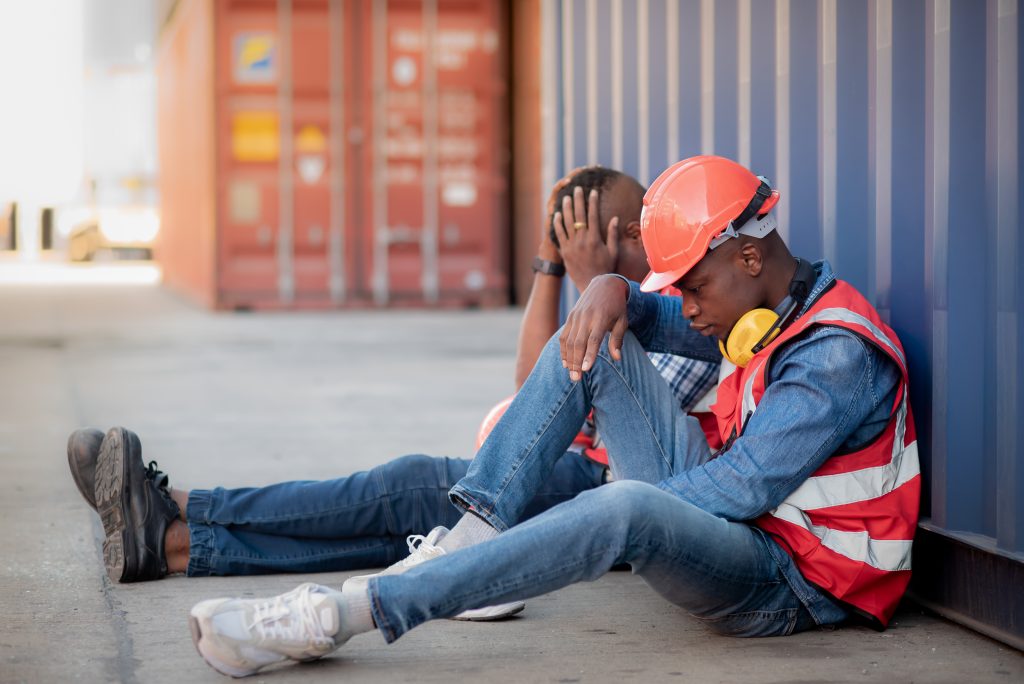
Yet injuries still happen. Sprains, strains, and repetitive motion injuries continue to show up on incident reports even when companies check every compliance box. And these injuries are expensive—not just in workers’ compensation claims, but in lost productivity, overtime for replacement labor, and the ripple effect on team morale.
So the question worth asking isn’t “are we compliant?” It’s “are we actually protecting our people?” And how do you go beyond the baseline, to actually reduce injury rates, improve how your team feels about coming to work, and lower your health and safety costs? Or does getting there always mean spending more?
Are traditional safety programs enough to reduce injury rates?
Traditional safety programs are built around compliance: OSHA-mandated training, required documentation, posters and signage, and periodic audits. These practices are important because they establish a legal and procedural baseline that protects both workers and employers.
But compliance and injury prevention aren’t the same thing. A company can check every regulatory box and still see recordable injuries climb, especially in physically demanding roles like utility work, manufacturing, and other labor-intensive industries, where repetitive strain and overexertion injuries are common regardless of how well-documented the safety protocols are.
Meeting the bare minimum often means addressing safety reactively. Training happens once a year, or as often as OSHA requires. Safety officers review paperwork rather than observing how workers actually move, lift, and maneuver on the job. By the time an injury is reported, the physical strain that caused it has often been building for weeks or months.
The more effective path involves building a more genuine culture of safety—one that goes beyond scheduled trainings and into the daily rhythm of how work gets done. For some companies, that culture shift comes from empowering existing safety personnel with better tools and training. For others, it means bringing in outside expertise to fill the gap between compliance and actual injury prevention. One increasingly popular option: placing industrial athletic trainers on-site.
What are industrial athletic trainers?
Industrial athletic trainers are certified athletic trainers (ATCs)—the same credentials as those who work with sports teams—adapted for the workplace. Instead of treating athletes during or after a game, they work on warehouse floors, on job sites, and across manufacturing facilities. Rather than focusing on the motions of throwing or kicking a ball, our industrial athletic trainers apply their expertise to the movement mechanics of manual labor.
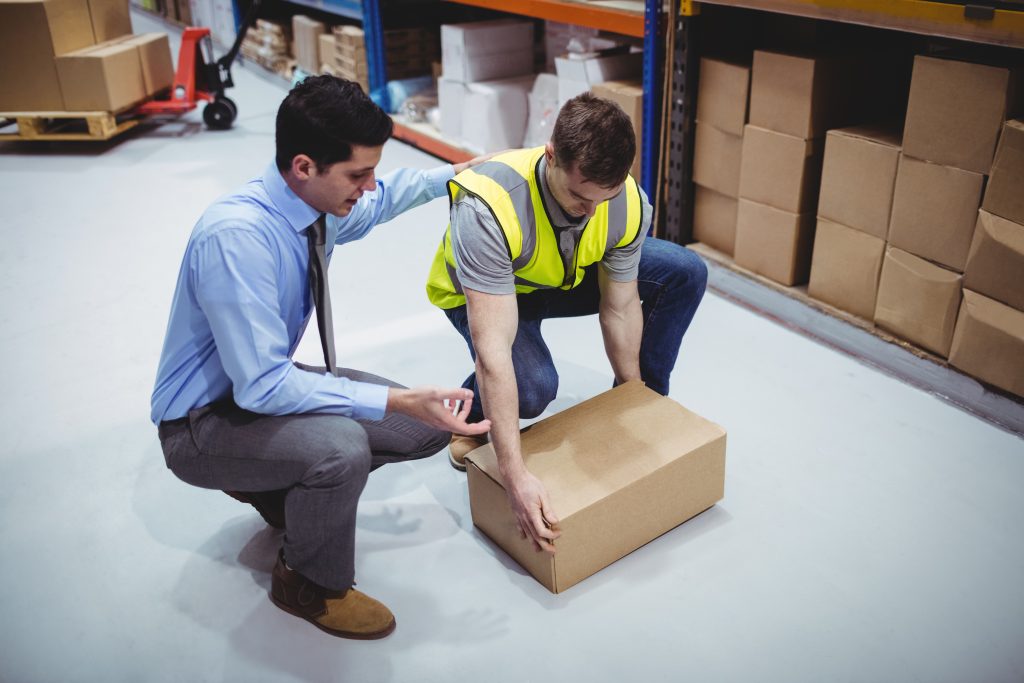
When you partner with Work-Fit, our team of ATCs and other specialists come on-site to work alongside your workers and safety team. They observe how employees actually lift, bend, reach, and move throughout a shift, then coach proper body mechanics in real time, before a minor strain becomes a reportable injury.
Benefits of in-person, real-time injury prevention training
For jobs where repetitive or strenuous tasks are part of daily work, having a team of specialists on-site offers several distinct advantages:
- Early intervention: Athletic trainers can identify and address minor aches or movement issues before they escalate into claims.
- Real-time coaching: Employees get immediate, hands-on feedback about body mechanics instead of relying on a once-a-year training session.
- Faster return-to-work support: When injuries do occur, on-site athletic trainers can help manage recovery and facilitate a safer, quicker return to full duty.
- Stronger morale: Workers notice when a company invests in their physical well-being, not just their compliance paperwork.
- Data-driven adjustments: On-site athletic trainers can track patterns across shifts and roles, helping safety leaders make informed changes to workflows or equipment.
For work where physical demands often involve awkward postures, heavy equipment, and environmental hazards, this on-site presence helps mitigate risks in real-time.
Which approach is right for you?
No two teams are alike in strategic priorities or in workforce risk factors. This means that choosing whether to partner with a team of industrial athletic trainers will depend on several factors, unique to your business model and vision.
In general, partnering with a team like Work-Fit makes sense in scenarios such as:
- Your organization is seeing persistently high injury rates
- Worker retention rates are low or dropping
- No compliance issues noted
- Specific teams/sites are high-risk compared to other areas of the workforce
- You want to try a pilot program to test effectiveness and ROI prior to larger roll-out
In some cases, however, investing in your existing safety personnel and programs might make more sense:
- Injury rates are low
- Workers are actively encouraging safety protocols (culture of safety)
- Issues arise from compliance and paperwork, not accidents and injuries
And in yet other cases, companies land somewhere in between, where it can be difficult to prioritize one specific aspect of compliance, health, and safety because they are all important to the business strategy. Having an expert perspective in the form of our Work-Fit specialists on-site can be the start to clear, actionable priorities that improve several aspects of the business simultaneously.
Augment your team with Work-Fit’s expert industrial athletic trainers
Compliance keeps you protected on paper. Industrial athletic trainers keep your workforce protected on the job. If your company has maintained OSHA compliance but still sees injuries chip away at productivity, morale, and the bottom line, it may be time to look beyond the traditional program and toward dedicated, on-site support.
Get in touch with our team today to learn how our on-site injury prevention specialists can expand and enhance your facility’s needs and goals.
Recent Blogs
- Industrial Athletic Trainers vs. Traditional Safety Programs
- Pros and Cons of Outsourcing Occupational Health Services
- Injury Prevention vs. Employee Wellness Program: What’s the Difference?
- Occupational Services to Support National Protect Your Hearing Month
- How Job Demands Change Over Time and Why Employers Should Reevaluate Them