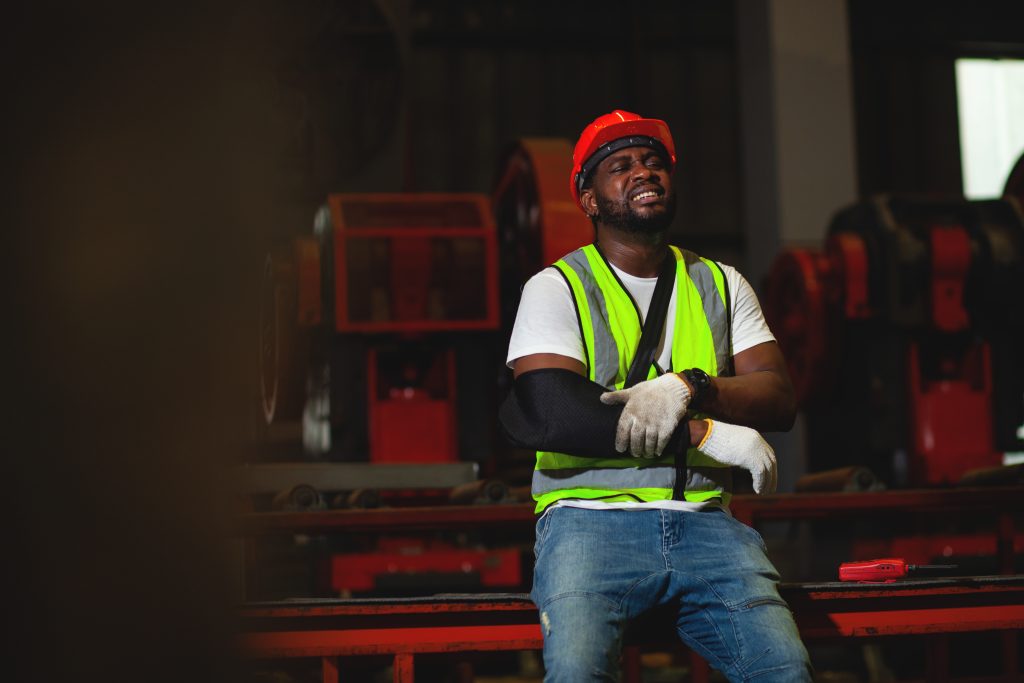
Early Symptom Reporting: Why Employees Shouldn’t Wait to Speak Up

Summary: Delaying symptom reporting after a workplace injury is common, but it significantly raises the risk of minor issues becoming serious injuries. Early reporting leads to faster treatment, better recovery outcomes, lower workers’ compensation costs, and a stronger culture of safety across your organization.
Most workers don’t love admitting when something hurts. Maybe it’s pride. Maybe it’s the worry that speaking up will cost them hours or put them on a manager’s radar for the wrong reasons. Or maybe they genuinely believe it’ll go away on its own; and sometimes, it does.
But many times it doesn’t. And by the time an employee finally says something, what started as a dull ache or minor strain has turned into a recordable injury, a medical intervention, and/or weeks of lost work.
Early symptom reporting doesn’t always matter from a compliance standpoint. But when it’s genuinely encouraged and followed up with adequate support systems, it can meaningfully reduce injury rates and create a healthier, more trusting workplace for everyone.
Why does early reporting matter?
The window between “something feels off” and “this is now a serious injury” is often shorter than workers expect. Musculoskeletal imbalances, repetitive strain injuries, and overuse all tend to follow the same pattern: they start small, they get ignored, and then they escalate.
Early reporting creates an opportunity to interrupt that pattern. When employees speak up at the first sign of discomfort, you have a window to treat the concern with timely care, modified duties, or ergonomic adjustments before an injury occurs.
The benefits of early symptom reporting are both immediate and long-term:
- Reduced risk of minor issues developing into recordable injuries
- Quicker access to OSHA first aid level care and support
- Improved recovery outcomes and faster return-to-work timelines
- Fewer days away from work and less disruption to operations
- Lower workers’ compensation and overall healthcare costs
- Increased employee trust and engagement
- Greater opportunity to identify workplace risk factors before more employees are affected
This last point is worth highlighting. One employee’s early report of discomfort using a certain piece of equipment or performing a task, can reveal a hazard that might affect the whole team. Addressing it protects not just the one person who reported it, but everyone who uses that tool or performs the same task
Hurdles to creating a culture of safety
As you’re well aware, though, it’s not as easy as shooting out an email reminder to get everyone to report their symptoms ahead of an actual injury. Every workplace has a unique culture and set of norms, but in most of them, early reporting is not one of those norms. Why is that? And more importantly, what can you do to create a genuine culture of safety among your teams?
Fear is a big factor. Workers may worry about being seen as weak, losing hours, being sidelined from tasks they enjoy, or affecting their standing with a supervisor. In some workplaces, there’s an expectation to push through discomfort to meet production demands—reporting anything short of a severe injury can feel like overreacting.
Uncertainty plays a role, too. Even if the culture isn’t an aggressively “tough-it-out” kind of place, employees won’t report symptoms if they’re not sure it’s something leadership wants to hear about.
These mental barriers don’t disappear overnight. But they can be reduced, and it’s one way that a culture of safety makes a measurable difference.
How a culture of safety changes the equation
Early symptom reporting works best when it’s not just mandated, but genuinely encouraged and modeled at every level of an organization.
A culture of safety goes beyond compliance. It’s a work environment where people look out for one another, where reporting a sore shoulder is met with support rather than skepticism, and where managers respond to concerns with action. When safety is encouraged organically, reporting doesn’t feel like a risk, and preventing injuries becomes the new norm.
But building such a culture of safety takes consistency. It means training supervisors to respond well to early reports, making it easy for employees to raise concerns without bureaucratic friction, and celebrating proactive behavior rather than just reactive incident response.
It also means being honest about why you’re asking for this shift in behavior. Employees may be skeptical that you’re asking for this information for their benefit, but showing that it also improves the bottom line by reducing injury expenses may build trust with this transparency.
What early symptom reporting can look like
Early symptom reporting doesn’t have to be a formal process. It can start with something as simple as an employee telling their supervisor, “My wrist has been bothering me since Tuesday.” From there, a structured response—whether that’s a quick assessment, a task modification, or a referral to an occupational health professional—can make all the difference.
And we understand that not every company has the capacity to respond to every little ache or pain, which is where our team of on-site specialists help. Work-Fit expands your ability to respond to injuries and prevent minor symptoms from getting worse.
Regardless of the process and personnel you want to use for early reporting, the key is to build a system that results in quick and beneficial actions. If employees don’t trust that reporting will lead to anything helpful, they won’t do it. When they see that early reports are taken seriously and addressed quickly, trust builds over time.
Active injury prevention programs supported by Work-Fit
The case for early symptom reporting is clear: faster care, better outcomes, lower costs, and a stronger safety culture. But getting there requires the right programs and partners to support your team.
Work-Fit specializes in proactive, on-site occupational health programs designed to keep employees healthy, reduce injury risk, and build the kind of safety culture where early reporting becomes second nature. If you’re ready to invest in a healthier, more resilient workforce, contact our team today to learn more.
Recent Blogs
- How Job Demands Change Over Time and Why Employers Should Reevaluate Them
- Why Recovery Matters
- How Workplace Stretching Supports Injury Prevention and Employee Readiness
- What Musculoskeletal Discomfort Is Really Costing Your Workplace Performance
- Early Symptom Reporting: Why Employees Shouldn’t Wait to Speak Up