Heat Stress and Seasonal Safety
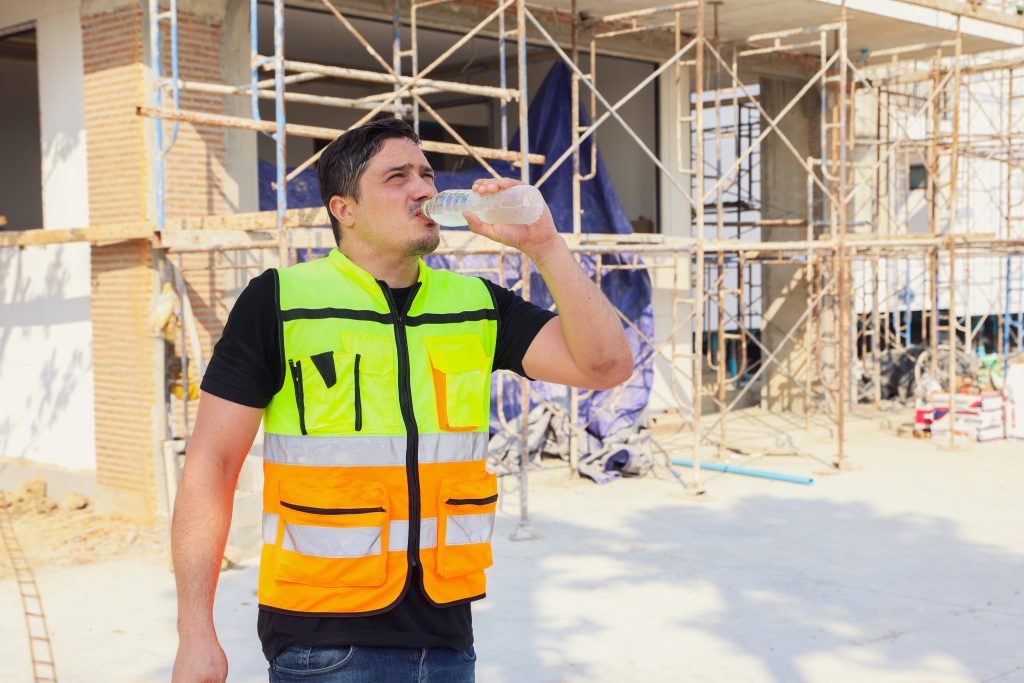
When the temperatures start to climb, the danger of heat-related illnesses goes up right along with them. The majority of these illnesses are almost entirely preventable, yet workers and job site productivity suffer from them every single year.
The risks naturally increase during the warmer months, taking a heavy toll on anyone working in non-climate-controlled environments. If you are on an outdoor job site or an unventilated indoor space, heat and dehydration can quickly overwhelm your body’s natural ability to cool itself down. Understanding these risks, and prioritizing the health and safety of everyone on site, is the first step toward a safer summer season with fewer illness claims and days of lost productivity.
Early signs of heat stress
One of the biggest challenges with heat stress is that the early warning signs are incredibly easy to miss. Workers often ignore them, thinking they are just feeling a little tired or need to push through the discomfort to keep the project from falling behind.
However, paying attention to these early symptoms can prevent a mild issue from becoming a medical emergency:
- Headaches: Dull aches or throbbing head pain can be an early indicator of dehydration.
- Dizziness: Feeling lightheaded or unsteady on your feet is a major symptom of heat illness.
- Muscle cramps: Painful spasms, usually in the legs or abdomen, are often a sign of electrolyte loss.
- Fatigue: Feeling unusually exhausted or weak early in the shift is worth mentioning to a health and safety officer.
- Nausea: A sick feeling in your stomach that might make you lose your appetite for food or water.
Extra danger for new and unacclimated workers
It is especially important to look out for team members who are new to the job site or returning from an extended break. These workers may not have the physical conditioning they need when working in environmental stress, and are at a significantly higher risk for heat-related illnesses.
During their training or onboarding period, they need extra support, closer observation, and more frequent breaks than those who are acclimated to this kind of labor.
Dehydration and fatigue compound on each other
As the body loses water, it affects your mind as well. Workers often experience reduced focus and slower reaction times when working hard in the heat of the day. A task that usually takes a few seconds might suddenly feel confusing or overwhelming. This mental fog directly leads to an increased likelihood of errors and accidents. Staying hydrated isn’t just about feeling good—it is about staying sharp and keeping everyone safe.
Common gaps in preparedness
Even with the best intentions, many job sites have noticeable gaps in their seasonal safety plans. Identifying these blind spots is crucial for keeping your team protected.
Some of the most common gaps in preparedness include:
- Inconsistent hydration practices: Relying on workers to remember to drink water instead of actively scheduling and encouraging it.
- Lack of structured rest breaks: Pushing through long shifts without mandatory periods of rest in a cool area.
- Inaccessibility of cooling strategies: Having shade or cooling stations located too far away from the actual work area to be useful.
- Limited awareness of early warning signs: Failing to train the team on what heat stress actually feels like or not taking early reports of symptoms seriously.
Simple heat stress prevention strategies
Creating safe working conditions in a hot environment does not require complicated, highly technical solutions. The most effective strategies are usually the simplest ones, provided they are practiced consistently:
- Scheduled hydration and rest breaks: Make water breaks mandatory, not optional. Ensure everyone stops to rest in the shade at regular intervals.
- Access to cooling tools: Provide immediate access to items like cooling towels, portable fans, and air-conditioned break rooms.
- Acclimatization protocols: Ease new and returning workers into the heat. Gradually increase their workload and heat exposure over a period of one to two weeks if necessary.
- Education and training: Teach everyone on site how to recognize the early symptoms of heat stress in themselves and their coworkers.
Workplace hazard mitigation
While heat stress is a major concern during the warmer months, it is far from the only hazard your team faces in the course of their work. Various types of hazards surround workers at all times, requiring a proactive and comprehensive approach to health and safety to prevent expensive claims and many other costs of injuries and illnesses.
Work-Fit is an experienced leader in injury prevention of all kinds. From mitigating hearing damage on loud job sites to managing environmental factors like heat stress, we are here to support your team’s total well-being on-site and wherever the project takes you. Learn more about how we can help reduce the costs of these common injuries and illnesses by contacting our team today.
Recent Blogs
- Why Recovery Matters
- How Workplace Stretching Supports Injury Prevention and Employee Readiness
- What Musculoskeletal Discomfort Is Really Costing Your Workplace Performance
- Early Symptom Reporting: Why Employees Shouldn’t Wait to Speak Up
- The Link Between Employee Burnout and Workplace Safety