Why National Safety Month Matters
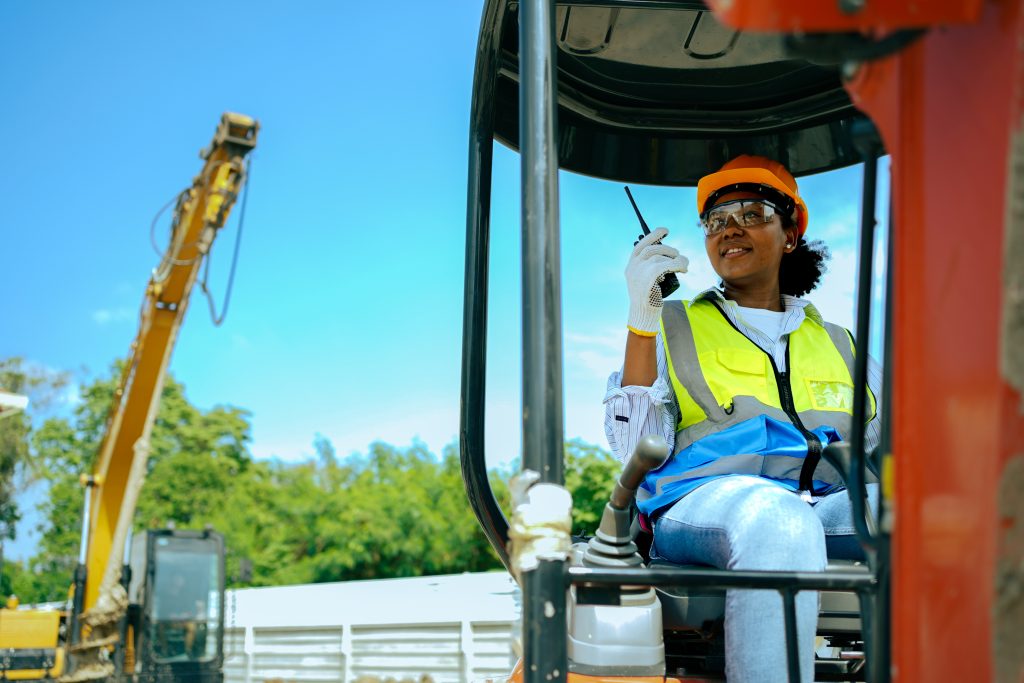
June is National Safety Month, an annual PSA that helps raise awareness about the importance of keeping people safe at work, at home, and in their communities. Now is an excellent opportunity to pause and evaluate the effectiveness of current health and safety programs.
At Work-Fit, we frequently see well-intentioned safety programs and policies in place. Employers genuinely care about their teams and want to do the right thing. Yet, despite these good intentions, many of these programs don’t prevent injuries from costing both employees and employers valuable time, health, and productivity.
In this post, we will look at common reasons that workplace safety programs fall short of the ideal, even if they are technically compliant with industry regulations. By understanding these gaps, you can take meaningful steps to better protect your team.
The problem with reactive policies and procedures
Many workplace safety programs operate on a reactive model rather than a proactive one. This means that the primary focus is placed on responding to injuries after they have already happened, instead of actively preventing them from occurring in the first place—except when compliance requires a minimum degree of proactivity.
In reactive safety programs, the bulk of the policies include incident reports, emergency medical responses, and post-injury investigations. While these are necessary components of any safety plan, relying on them as your main strategy leaves your workforce exposed to unnecessary risk.
Musculoskeletal fatigue is a sign of exposure to demand. This can be combatted and reversed through programs like pre-work warm-ups and microbreaks, before an employee ever experiences symptoms. These programs are truly proactive.
A truly effective safety program anticipates common hazards and expands policies to include regular ergonomic assessments, movement coaching, and workspace evaluations, stopping injuries before they ever materialize.
Not all injuries occur suddenly
Many people’s idea of a workplace injury is an overt one: a slip, a fall, or an accident involving heavy machinery. However, the reality is that most workplace injuries develop slowly over time.
Conditions like repetitive strain, chronic fatigue, and daily physical discomfort are major contributors to an employee’s overall injury risk. A worker performing the same types of motion day after day might not feel the damage immediately. Instead, the wear and tear silently builds up over weeks, months, or even years. Because these issues do not stem from a single, reportable accident, standard safety protocols often miss them completely until the pain becomes severe enough to require medical intervention.
Early signs are overlooked
Because so many injuries develop gradually, early warning signs of many health issues are easily missed. Symptoms of musculoskeletal conditions—like dull aching in the lower back, stiffness in the shoulders, or numbness in the wrists—are often ignored by both workers and their supervisors. It might seem like the issue could get better on its own, or isn’t severe enough to rise to the level of reporting it.
The problem is, when employees delay reporting their discomfort, they miss out on the crucial window for early intervention. Early intervention is statistically proven to reduce the amount and intensity of required treatment. By addressing a small amount of discomfort early through gentle massage, non-rigid support, thermotherapy, task switching, or ergonomic adjustments, you can keep your employees healthy and active. Ignoring it guarantees that the problem can continue to get worse.
The business impact of workplace injuries
A proactive, health-centered approach to safety does not just benefit the physical well-being of your team; it also makes excellent business sense. Ideally, a comprehensive business health and safety plan yields positive results across the entire organization, including:
- Reduction in recordable injuries
- Reduction in DART rates (days away, restricted, or transferred)
- Lower workers’ compensation costs
- Fewer disruptions to daily operations
In addition, when employees are healthy and pain-free, their productivity and performance naturally improve. Having a proactive safety plan demonstrates to employees that you value their health, which can increase job satisfaction and retention rates, which are long-term cost-savers compared to the alternative.
Work-Fit helps you keep the spirit of National Safety Month Year-Round
At Work-Fit, we improve workplace safety and business outcomes through intentional partnerships and comprehensive injury prevention services. Our injury prevention specialists work directly with your team to reduce fatigue, catch early warning signs, correct inefficient movement patterns, and build a culture where safety truly comes first.
Learn more about how we can help take your safety from compliance to proactive cost-saving strategy by contacting our team today.