How Athletic Trainers Support A Safer, Faster Return to Work
Returning to work after an injury should be a milestone to celebrate. At the very least, it means life is getting back to normal. However, for many employees and safety managers, the return-to-work process is far from a guaranteed success.
Without a comprehensive plan in place, many workers end up reinjured shortly after coming back. Others might spend too much time on modified duty, feeling disconnected from their teams and sidelined from the opportunity to do “real work” or even have full hours. It’s a delicate transition, and standard medical clearance notes often miss the nuance required to navigate it safely.
This is where certified athletic trainers (ATCs) make a profound difference. By guiding and adapting the process based on individual progress and needs, ATCs can bridge the gap between medical treatment and the physical realities of the job site. They ensure that the return to work date isn’t just a guess, but a calculated, supported, and safe progression.
The standard approach to return to work
To understand the value of on-site support from professionals like ATCs, it helps to look at how a typical industrial employer might handle an injury without expert support.
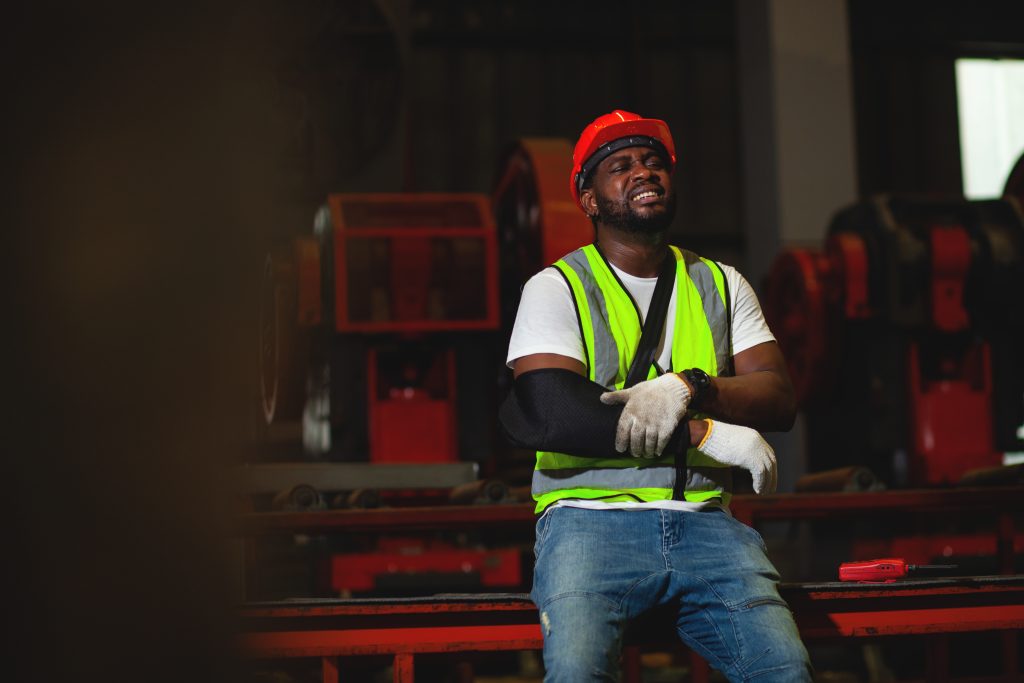
Imagine a worker at a manufacturing plant strains their lower back lifting a normal load incorrectly. They go to an off-site clinic, see a doctor who creates a treatment plan, and take time off to heal. After a few weeks, the doctor—who likely hasn’t seen the factory floor or the equipment involved—signs a note saying the employee is “cleared” for light duty.
The employee returns, perhaps a bit stiff and nervous. The safety manager tries to find tasks that fit the restrictions on the doctor’s note, like “no lifting over 20 pounds.” But “light duty” is often subjective. The worker might try to do too much because they don’t want to let the team down, or they might move awkwardly to protect their back, inadvertently straining a shoulder or knee.
In this standard scenario, the return is treated like a light switch: you are injured, and then you are cleared. But injury recovery doesn’t actually work like a switch; it’s a dial that needs to be turned up slowly and carefully.
How athletic trainers help
One of the most critical distinctions an ATC makes is understanding that being medically “cleared” is not the same as being ready to work.
A physician can confirm that tissues have healed and that it’s safe to resume activity. However, they rarely have the time or context to evaluate if the worker has the specific strength, endurance, or movement patterns required to operate machinery or handle the specific job duties of an eight-hour shift.
Work-Fit’s athletic trainers are the bridge between these two points. They help assess whether an employee can safely meet the physical demands of their role before they are thrown back into the deep end. This involves looking at the whole person, not just the injured body part.
Evaluating movement quality and endurance
When an ATC manages the return-to-work process, they perform functional evaluations that mimic the actual job tasks. It’s not just about “can you lift this box?” It’s about “can you lift this box repeatedly, with good form, and without fatigue setting in after ten minutes?”
They evaluate:
- Movement quality: Is the employee moving smoothly, or is there hitching and hesitation?
- Strength: Have the muscles recovered enough power to handle the load?
- Endurance: Can the employee maintain safe body mechanics over time, or do they get sloppier as they get tired?
- Task-specific tolerance: Can they handle the specific forces, grips, or postures required by their duty?
By assessing these factors, the ATC can recommend a ramp-up period that makes sense. Maybe the worker starts with four hours a day, or perhaps they focus on specific tasks that rebuild their tolerance without overloading their system.
Identifying red flags
The body is excellent at cheating. When one part is weak or painful, other parts take over. This is called compensatory movement. For example, if a worker’s ankle is stiff, they might twist their knee or hip to walk or lift.
In a standard return-to-work scenario, these compensations often go unnoticed until another, sometimes different injury occurs. A back strain becomes a knee problem. A shoulder injury leads to elbow pain.
Because Work-Fit Specialists are on-site and trained to observe body mechanics, they spot these red flags immediately. They can see when a worker is favoring a side or changing their posture to avoid discomfort. When they spot it, they can intervene right then and there. They might suggest a stretch, adjust the workspace, or modify the task to work around a healing area. This proactive approach stops the cycle of reinjury before it starts.
Building confidence and reducing fear
There’s also a mental component to returning to work. After an injury, it’s natural to be afraid of getting hurt again. This fear can cause workers to be tense, guarded, and distracted—things that actually increase the risk of an accident.
An ATC acts as a coach and an advocate. They provide reassurance that the worker is strong enough to handle the task. They can help the employee discern between injury pain and muscle fatigue from returning to work. They can offer advice and encouragement on how to move safely, giving the worker the confidence to perform their duties without hesitation. Knowing that a healthcare professional is watching out for them helps employees relax and focus on the job at hand.
Return to work faster, safer, and more productive
The goal of utilizing athletic trainers in the return to work process isn’t to slow it down, but rather to make it sustainable. While it might seem faster to rush an employee back to full duty the moment a doctor signs a note, that speed is a mirage if it leads to a relapse a week later.
A managed, progressive return overseen by an ATC leads to:
- Fewer setbacks: By catching issues early, minor aches don’t turn into major claims.
- Fewer lost workdays: Employees can often return to modified work sooner because the ATC can match their current capabilities to specific, safe tasks.
- Higher morale: The team sees that the company cares about their long-term health, not just filling a shift.
When you have a professional dedicated to the physical well-being of your workforce, the transition from injury to productivity becomes a smooth, guided path rather than a leap of faith.
Certified athletic trainers on-site with Work-Fit
Work-Fit provides certified athletic trainers and other clinical experts who integrate directly into your team. With this integration, our experts help guide policies, support injured workers through every step of their recovery, and maximize the health and productivity of teams.
If you’re ready to move beyond the standard approach and support your employees with the care they deserve, we’re here to help. Contact our team today to learn more about our onsite injury prevention and management programs.
Recent Blogs
- Why Recovery Matters
- How Workplace Stretching Supports Injury Prevention and Employee Readiness
- What Musculoskeletal Discomfort Is Really Costing Your Workplace Performance
- Early Symptom Reporting: Why Employees Shouldn’t Wait to Speak Up
- The Link Between Employee Burnout and Workplace Safety