Why Return to Work Services Matter After Injury
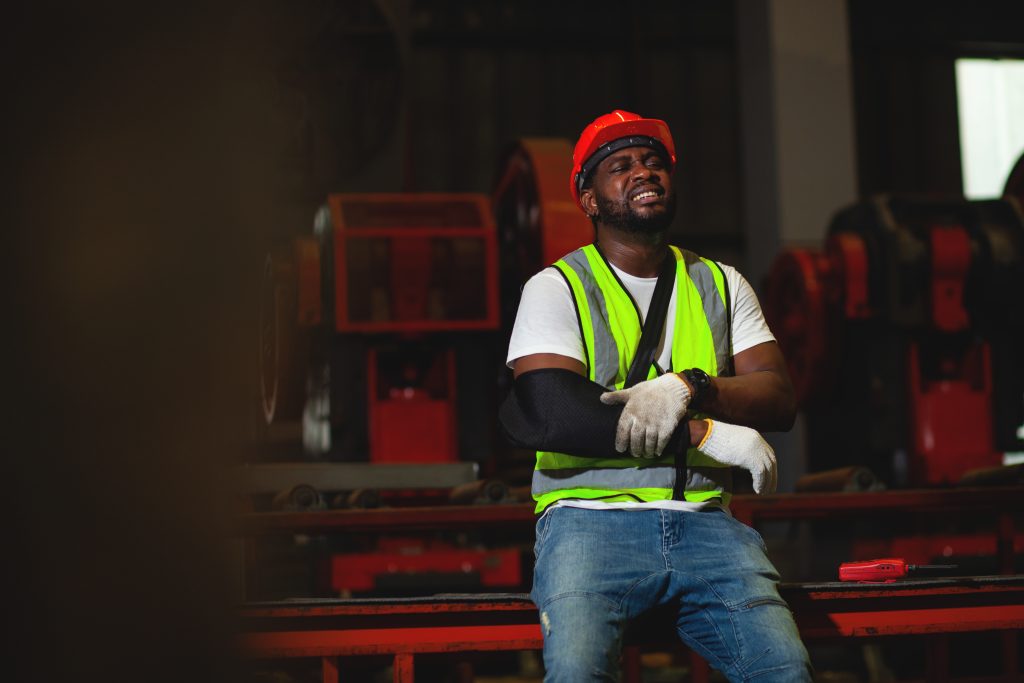
When an employee gets hurt, the immediate focus is naturally on medical treatment. We want to make sure they’re okay, that they’re seeing the right specialist, and that they’re on the path to healing. But what happens after the initial treatment?
No two workplaces are exactly alike. A warehouse floor has different demands than a corporate office, and a construction site operates differently than a retail store. Because every work environment is unique, return-to-work (RTW) policies can’t be one-size-fits-all.
Using a default policy that hinges on a doctor’s note to determine when an employee can return to “light duty” is inefficient and non-specific to the types of duties they may be able to perform without being back to prior fitness.
Investing in a more personalized and better-supported return-to-work policy isn’t just about compliance—it’s about ensuring your team members feel supported, safe, and ready to rejoin the workforce.
Why focus on return-to-work?
There is a common misconception that injured employees are looking for reasons to stay home. The reality is often the opposite. Most employees want to return to their normal lives and paychecks. Work provides a sense of purpose, social connection, and financial stability.
However, wanting to return and actually doing it are two different things. Without a structured plan, the path back can be fraught with uncertainty on both the employer and employee side.
When a successful return-to-work program is in place, the statistics are encouraging: the vast majority of injured employees return to work within the first year. In fact, many injured workers experience little to no lost time at work. They might transition temporarily to a different role or take on modified duties, but they remain part of the team and earning their wage.
In addition to physical accommodations, keeping workers engaged mentally is important for the psychological connection to work and co-workers. When an employer stays connected with an injured worker, checking in on their progress and keeping them in the loop, it tells the employee, “You are still important, and we’re excited to get you back.”
The resource gap
The problem with return to work programs is that every injury is different and will require different support. Every healthcare provider is also different and may communicate more or less effectively than you’d like.
That’s where Work-Fit comes in to help. Our teams of certified clinicians and athletic trainers support and inform every step of the journey, from developing modified duty tasks to watching for warning signs of re-injury. With Work-Fit, return-to-work gets the attention it deserves.
What happens during injury time off?
Time is a crucial factor in recovery. While rest is necessary, prolonged absence from the workplace comes with significant risks. The longer an employee is away, the harder it becomes to come back.
Physical deconditioning
We often think that resting at home is the best way to heal, but too much inactivity leads to deconditioning. Muscles weaken, stamina drops, and the body gets used to a sedentary routine. When it’s finally time to return to a physically demanding job, the worker may be less fit than they were before the injury, increasing the risk of getting hurt again.
Fear and confidence
The mental game is just as important as the physical one. After an injury, employees often develop a fear of reinjury. They might worry that their body can’t handle the work anymore. This reduced confidence can create a mental hurdle and physical changes to their movements and body mechanics that can eventually lead to another injury.
The difficulty of reintegration
Long absences create a disconnect. New processes might be introduced, team dynamics might shift, and the employee might feel like an outsider looking in. The longer someone is out of the loop, the lower the statistical likelihood is of a full recovery and successful return. It’s not a direct correlation, but every week of delay adds friction to the process.
Enhance return-to-work with external support
This is where specialized return-to-work services make a tangible difference. They bridge the gap between a doctor’s medical diagnosis and the actual demands of the job.
Beyond the doctor’s note
A physician, whether the worker’s selected provider or a worker’s compensation doctor, manages the injury, but they don’t always understand the intricacies of your specific workplace. A doctor might write a note clearing an employee for “light duty,” but what does that actually mean on a manufacturing line? RTW services provide structure beyond basic medical clearance.
Functional readiness
Work-Fit specialists can conduct job-specific functional readiness assessments. They look at the actual tasks an employee needs to perform—lifting, reaching, standing, typing—and evaluate if the employee is physically ready for those specific movements.
Meaningful work
One of the biggest challenges is finding appropriate “modified duty” work for limited-mobility workers. RTW experts help align the employee’s current physical capabilities with meaningful job duties. This ensures the employee is contributing value while they continue to recover, rather than just doing busy work.
Ongoing communication
Perhaps most importantly, as an RTW provider, Work-Fit teams facilitate clear communication. They act as a liaison between the employer, the medical provider, and the employee. They monitor progress, adjust restrictions as the employee gets stronger, and ensure everyone is on the same page. This prevents the frustration that comes from mixed messages.
How return-to-work services pay off
Benefits for employees
For the worker, a strong RTW plan provides a safety net. It ensures a safer and more confident return to work. Because the plan is tailored to their personal recovery, there is a significantly reduced risk of reinjury. They don’t have to guess if they’re ready; they know they are. Furthermore, it helps them maintain their connection to the workplace, protecting their income and their sense of professional identity.
Benefits for employers
For the business, the financial case is strong. An effective program reduces lost time. It prevents short-term claims from turning into prolonged, expensive absences. By managing the injury proactively, employers lower long-term injury-related costs and keep their insurance premiums in check. It also sends a powerful message to the rest of the workforce: “We take care of our own.”
Work-Fit helps boost retention and lower costs
Injuries happen, but they don’t have to result in lost talent or skyrocketing costs. A thoughtful, managed approach to return-to-work protects your most valuable asset: your people.
If you’re ready to move beyond compliance and implement a program that truly supports your team, we’re here to help. Contact Work-Fit today to learn how our injury prevention and management services can boost retention and create a safer, more productive environment for everyone.