Ergonomics is Not Just About Office Chairs
Walk down the aisle of any office supply store, and you are bound to see the word “ergonomic” plastered across dozens of products. Keyboards, computer mice, and especially office chairs proudly carry the label. With all this marketing emphasis, the term has slowly morphed into merely suggesting an ergonomic product is “premium” or in some cases, overpriced.
In reality, the true definition of ergonomics is broader and more important than how expensive your executive office chair was. Ergonomics are the ways in which humans interact with the tools and environments where they work and live.
The principles of proper ergonomics can be applied to almost any industry and nearly every job site. When implemented correctly, an ergonomic program protects workers from unnecessary wear and tear, allowing them to do their jobs safely and go home feeling well.
Ergonomics beyond office environments
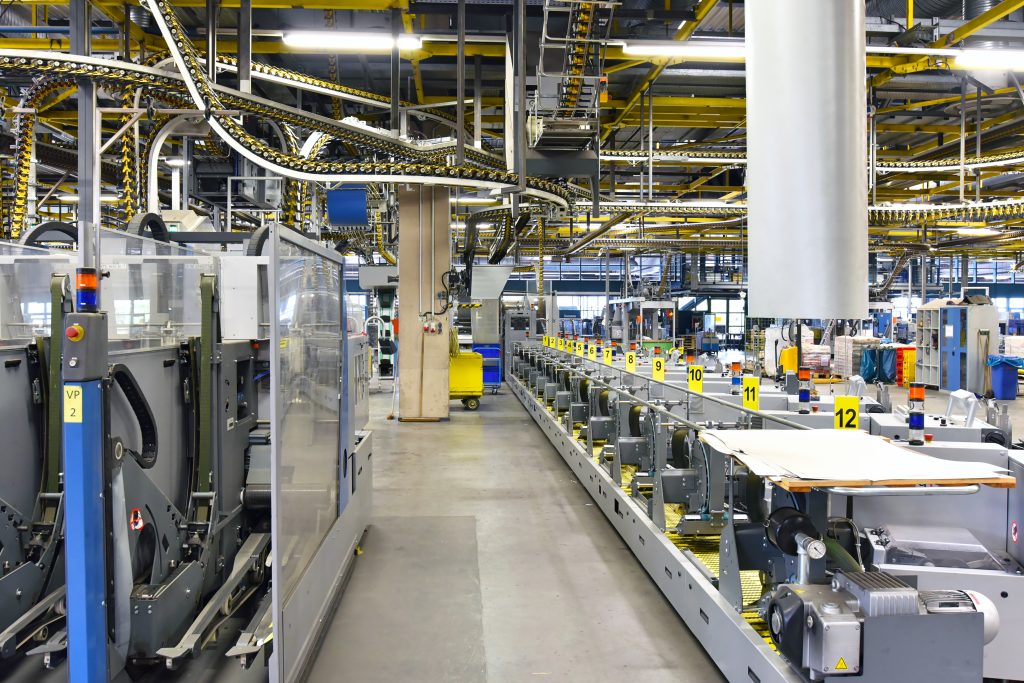
While a properly adjusted desk chair is certainly helpful, the need for structure and support extends far beyond temperature-controlled office buildings. Manufacturing, warehousing, and related industries present intense physical demands every single day.
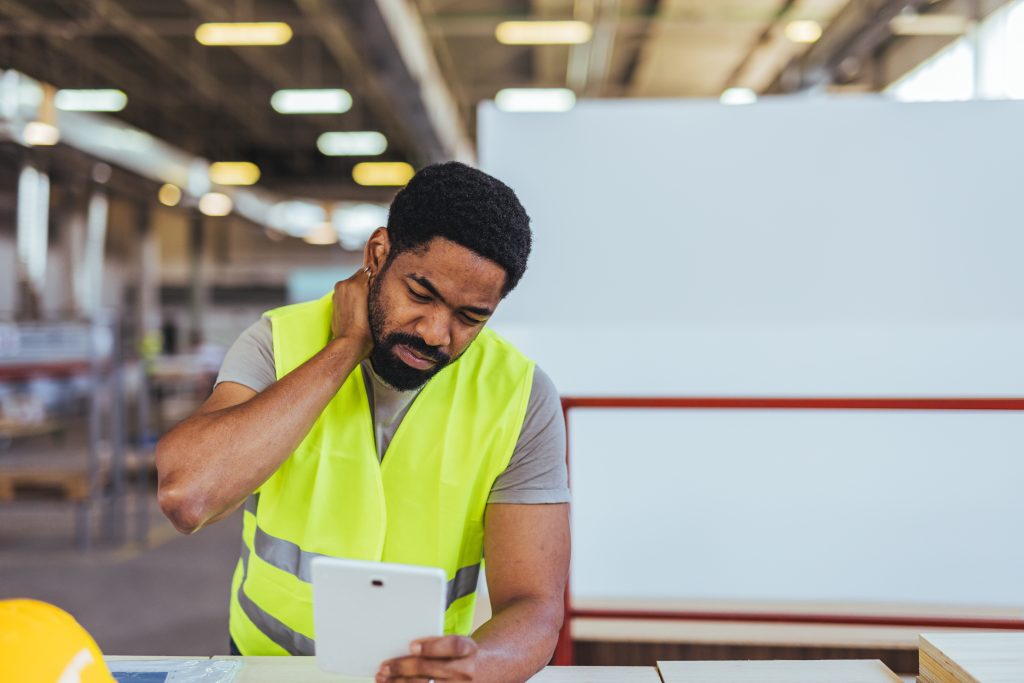
Workers in these active industries are frequently exposed to high levels of force not just on their lower backs, but throughout their bodies. They perform highly repetitive tasks, lift heavy materials, reach overhead, and hold sustained postures for long periods. Every one of these physical requirements increases the risk of a musculoskeletal injury. When a worker’s body is constantly pushing its natural capabilities without proper support or technique, muscle strains and joint pain become a very real threat.
So while ergonomics affects both desk workers and those on the job site, office setups typically focus on a seated posture, whereas industrial ergonomics tends to focus more on dynamic tasks. This includes analyzing how a worker lifts a heavy box, carries equipment across a warehouse floor, pushes a loaded cart, pulls a lever, or performs repetitive production line movements.
Ergonomic does not necessarily mean comfortable
Because the term is so heavily tied to products like extremely comfortable office chairs, it’s a common misconception that ergonomics is primarily about comfort.
However the primary goal is never just to make someone comfortable. The goal is to prevent physical strain and, by extension, reduce the risk of injury.
That said, a positive side effect of moving and working in a more natural, supported way is that you often feel better. If a warehouse worker learns a safer way to lift heavy crates, they will likely experience less lower back pain at the end of their shift, while also preventing the need to take off work to rehabilitate chronic pain.
Task-specific ergonomics drive significant change
Giving a team of manufacturing workers a compliance-driven directive to “lift with your legs” rarely leads to a sustainable change. To get workers engaged and following best practices, task-specific training can help.
This starts with evaluating the specific physical demands of individual job tasks to understand exactly where risks lie. An expert might observe a assembly line station and notice that the workers have to reach awkwardly to grab a tool hundreds of times a day. By identifying that exact movement, the organization can implement a targeted intervention. They might lower the shelf or provide a different gripping device.
These specific, tailored adjustments are what drive meaningful change to injury incidence rates. By reducing exposure to harmful movements, organizations protect their employees’ health and improve overall productivity.
Work-Fit is your comprehensive ergonomic partner
Navigating the physical demands of an industrial workplace can be complex, but you don’t have to do it alone. Work-Fit provides personalized and on-site expertise to help you identify hidden risks and protect your most valuable asset: your people.
Our teams already have extensive experience across a wide variety of demanding fields, including aerospace manufacturing, warehousing, construction, and oil and gas sites. We are uniquely positioned to understand the versatile needs of your specific industry. Our team uses a patient-centered, empathetic approach to help your employees work safer and smarter.
Contact our team today to see how we can help you reduce injuries, support your team’s physical health, and improve your workplace culture of safety.